DeJa Vu Museum Berlin
Online tickets
Photograph from the museum gallery · DeJa Vu Museum Berlin

Observation becomes part of the experience

Interactive Museum Berlin

No advance ticket purchase or reservation needed.Tickets are available at the museum box office. We look forward to seeing you!

Step into a scene that invites a second look. At DeJa Vu Museum Berlin, interactive illusions, digital art and reflective rooms turn curiosity into an experience you can share, question and explore from your own point of view.

DeJa Vu Museum Berlin · Rochstr. 14c
In the very heart of AlexanderplatzOfficial website
Photograph from the museum gallery · DeJa Vu Museum Berlin

Observation becomes part of the experience

Follow a question into the exhibition

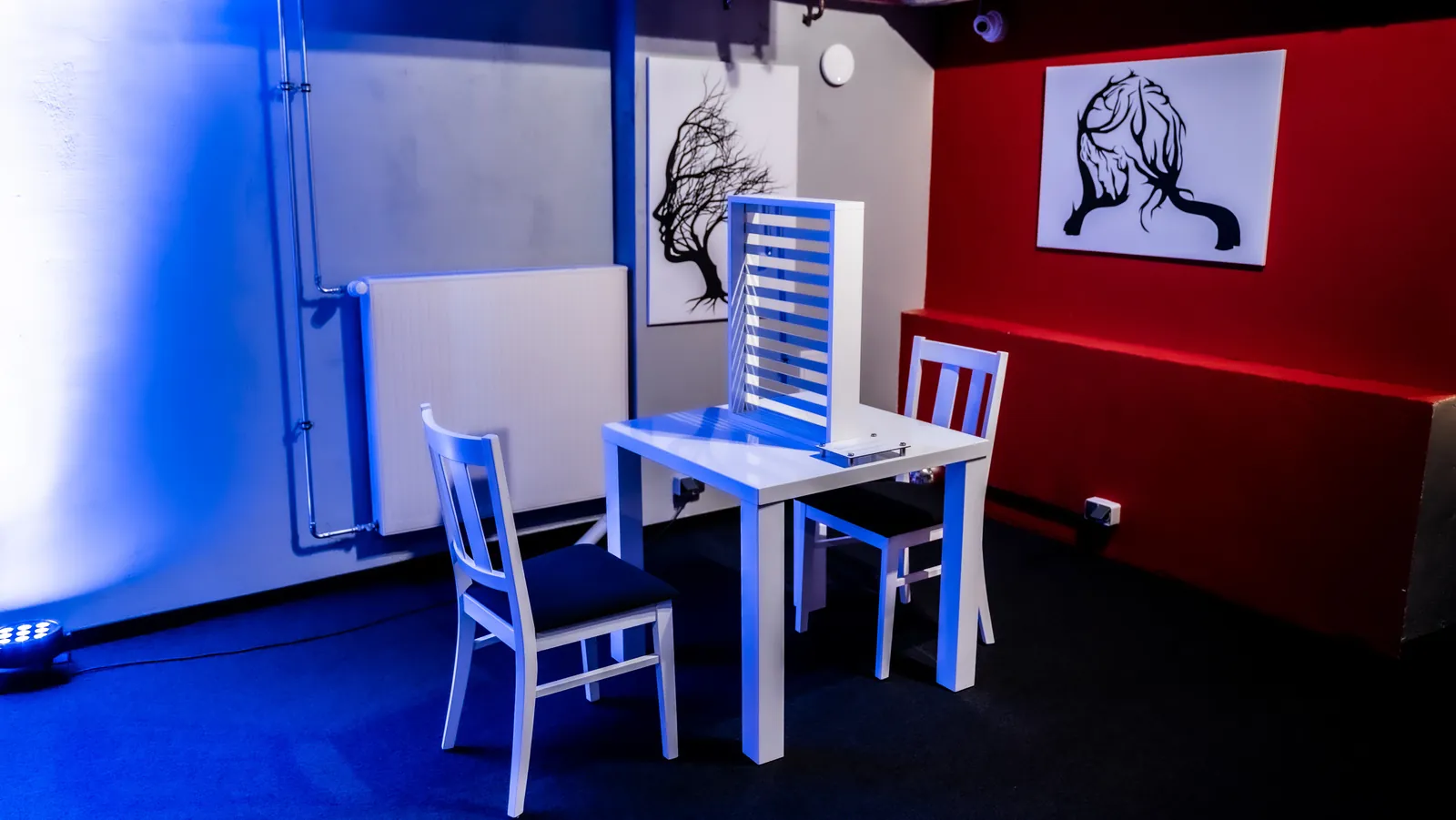
Discover DeJa Vu Museum Berlin at Rochstr. 14c, 10178 Berlin, in the heart of the Alexanderplatz area. Interactive illusions meet digital art, mirror rooms and neon environments in a setting that rewards attentive looking. You can enjoy an immediate visual surprise, investigate what seems to change or compare a room's effect with the impression it creates in a photograph.

You can approach the visit as a small series of experiments. First describe what you see. Next change one thing, such as your viewing angle, where the exhibit instructions allow it. Finally compare the result. That sequence gives your curiosity a direction without needing a worksheet, scientific background or a companion who already knows how the illusion works.

Photograph from the museum gallery · DeJa Vu Museum BerlinPhotograph from the museum gallery · DeJa Vu Museum BerlinPhotograph from the museum gallery · DeJa Vu Museum BerlinPhotograph from the museum gallery · DeJa Vu Museum BerlinPhotograph from the museum gallery · DeJa Vu Museum Berlin
Photograph from the museum gallery · DeJa Vu Museum Berlin

A different point of view

Learn something without turning the visit into a lesson

A family or pair of friends can use one repeated question: what changed when we looked again? Younger visitors may describe a striking shape, while adults notice a relationship between objects or reflections. Neither response needs to become a formal explanation. Leave room for uncertainty. A useful museum conversation can end with a more precise question rather than a complete answer delivered by the most confident person.

Let your own interests guide the next step. If you enjoy analysis, linger over an effect and compare viewpoints. If visual art draws you in, attend to colour, rhythm and the room around the image. If photography matters, make a few deliberate pictures. Companions can share the same outing while approaching it differently, then exchange their favourite discoveries and see the exhibition through each other's eyes.

Inside DeJa Vu

Spaces that surprise you

Photograph from the museum gallery · DeJa Vu Museum Berlin01

Perspective you can investigate

An optical effect becomes more interesting when you distinguish the appearance from your explanation of it. Try saying what looks different before deciding why. If a companion disagrees, compare positions and observations. The goal is to notice a change, not to win an argument about who sees correctly.

Photograph from the museum gallery · DeJa Vu Museum Berlin02

Digital art beyond the phone screen

Give digital imagery your direct attention before photographing it. Notice its relationship with the surrounding space and with your own position. A phone image is a record from one viewpoint, not a substitute for the entire experience. Comparing the two can become part of the visit's investigation.

Photograph from the museum gallery · DeJa Vu Museum Berlin03

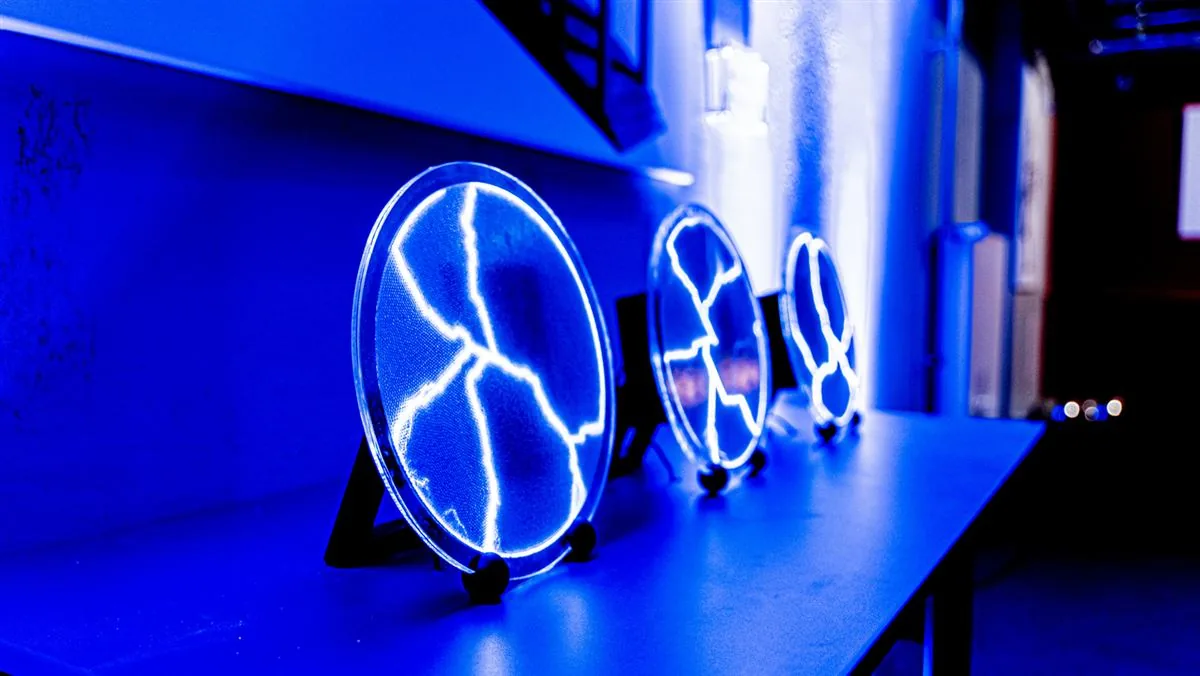
Mirror and neon rooms as compositions

In reflective spaces, the edges of the scene matter as much as the centre. Look for repeated shapes, unexpected reflections and changes in apparent depth. When making a photograph, check who else is visible and take turns with your companions rather than blocking a shared space for repeated attempts.

Make it your museum day

Bring your curiosity to Alexanderplatz

Photograph from the museum gallery · DeJa Vu Museum Berlin

Bring a simple question

Think of one thing you would enjoy investigating, such as how a reflection changes your sense of space. Let companions suggest their own questions too. Keeping these ideas open gives your visit a direction while leaving plenty of room for unexpected discoveries.

Photograph from the museum gallery · DeJa Vu Museum Berlin

Check current admission information

Tickets are available on site. Consult the official museum for current opening hours, temporary exceptions and any arrangements relevant to your party. If you are organising a group, ask about the details for your visit so everyone can arrive ready to explore together.

Photograph from the museum gallery · DeJa Vu Museum Berlin

Raise sensory questions in advance

Mirrors, neon and digital effects may be stimulating for some visitors. Ask the museum about specific sensitivities or access requirements before travelling. During the visit, respect a companion's choice to pause or decline an activity rather than treating participation as compulsory.

Photograph from the museum gallery · DeJa Vu Museum Berlin

FAQ

Before you visit

Where is DeJa Vu Museum Berlin?

The museum is at Rochstr. 14c, 10178 Berlin, in the heart of the Alexanderplatz area. It offers a setting for exploring interactive illusions and digital art, whether you come with companions or follow your own curiosity.

What makes this an interactive experience?

Visitors explore illusions and visual installations through active observation and participation. Changing perspective, comparing impressions and engaging with the exhibits according to their instructions can be part of the experience, alongside digital art and themed rooms.

Can I buy a ticket when I arrive?

Yes, tickets are available at the museum. Check current official opening information and any temporary exceptions before setting out. For questions specific to an organised party, contact the museum rather than assuming general individual arrangements apply.

Is scientific knowledge necessary to enjoy the visit?

No specialist background is needed to begin observing and comparing effects. Different ages can take an interest in the exhibition. Treat explanations as optional discussion, and let each visitor choose what they want to investigate more closely.

Photograph from the museum gallery · DeJa Vu Museum Berlin